
Endodontic Treatments
Clinical approach focused on preserving the natural tooth.
Endodontics is the area of dentistry dedicated to the diagnosis and treatment of the dental pulp and the tissues surrounding the root of the tooth.
The main goal of endodontic intervention is to preserve the natural tooth whenever clinically viable, using techniques and methodologies that allow for a conservative, rigorous, and predictable approach.


When should you see an endodontist?
An endodontic consultation is indicated whenever there is suspicion of pulp involvement or when treatment requires a specialized approach.
The most frequent situations include:
-
Persistent or spontaneous toothache
-
Prolonged sensitivity to cold or heat.
-
Dental infections or abscesses
-
Pain upon chewing or tapping.
-
Tooth discoloration
-
History of previous endodontic treatments
-
Referral by your dentist.

Endodontics
step by step
Endodontic treatment follows a set of well-defined clinical steps, guided by rigorous diagnosis, infection control, and preservation of tooth structure.
2
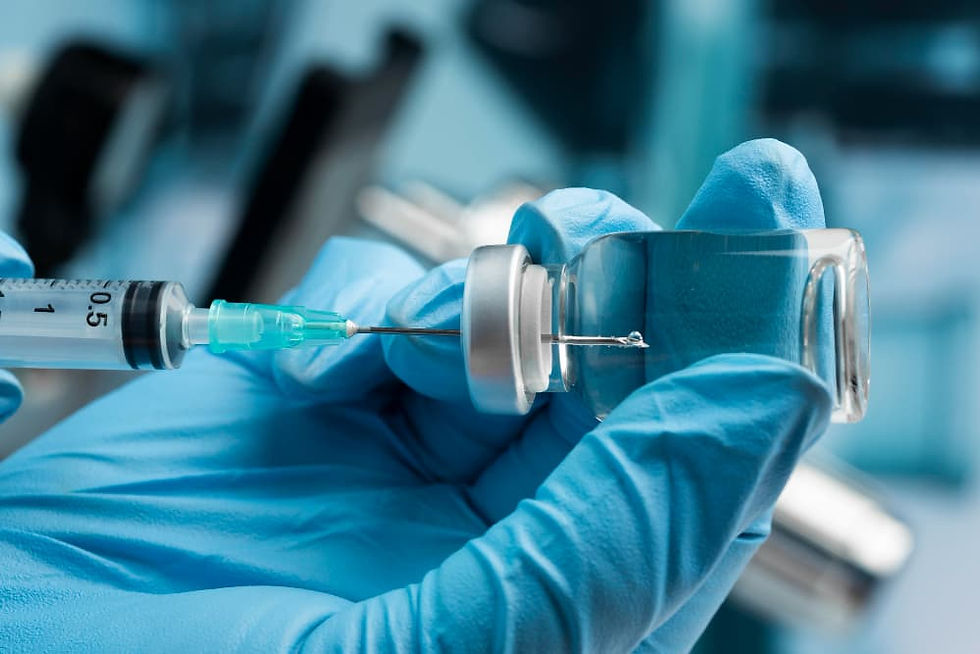
Anesthesia
Administration of local anesthesia to ensure comfort throughout the procedure. In specific situations, particularly when there is active inflammation, prior medication may be necessary to optimize clinical conditions before treatment.
3
Access and removal of the dental pulp
Creating access to the interior of the tooth to remove infected or inflamed pulp tissue. The tooth is carefully isolated to protect the patient and to ensure a controlled clinical environment during treatment.
5
Sealing and completion of the treatment.
After disinfection, the canals are filled with biocompatible materials that allow for proper sealing. Subsequently, the tooth should be restored according to clinical indication, ensuring its function and longevity.
4
Cleaning and disinfecting the channels
The root canals are prepared, cleaned, and irrigated with specific disinfectant solutions. This step is crucial for eliminating microorganisms and debris, ensuring suitable conditions for sealing the root canal system.
Diagnosis
Clinical and radiographic evaluation of the tooth, using periapical radiographs and, when indicated, complementary examinations such as CBCT. This step allows understanding the anatomy of the tooth, identifying the origin of the infection and defining the most appropriate treatment plan.
1

%20(1).jpg)
.avif)


Available treatments
The treatments offered cover different clinical situations, ranging from primary endodontic interventions to more advanced approaches in complex cases or those with a history of previous failure.
Each therapeutic option is determined based on a rigorous clinical evaluation, always aiming to preserve the natural tooth and define the most appropriate approach for each case.
Endodontic retreatment
Endodontic retreatment is indicated when a previous root canal treatment has not achieved the expected result or when new infections arise. It involves the removal of existing material, re-disinfection of the root canal system, and correction of factors that compromised the initial treatment.
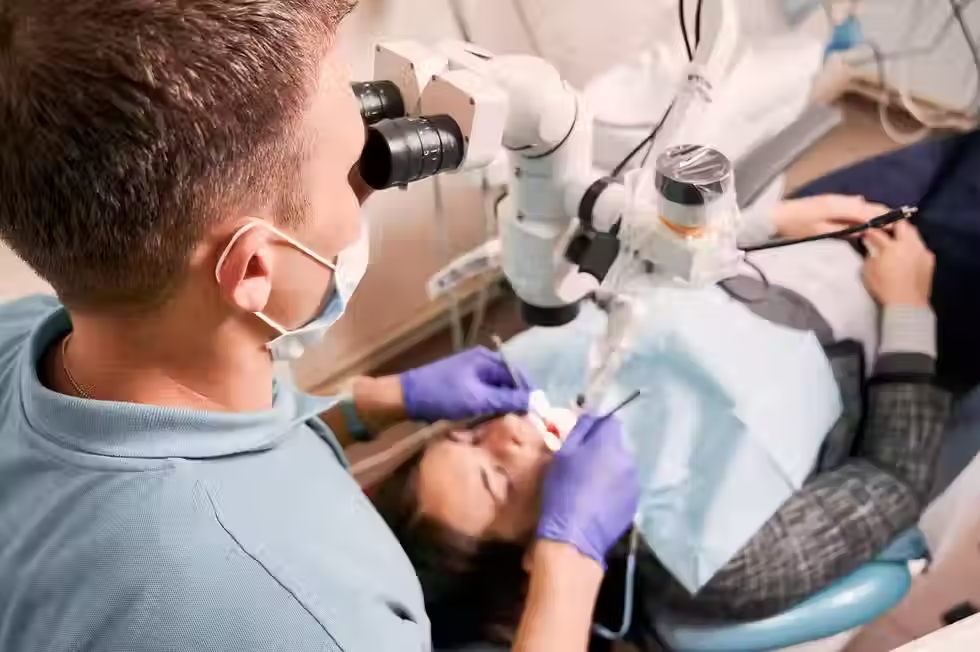
Apical microsurgery
Apical microsurgery is a surgical procedure indicated in specific situations where conventional endodontic treatment or retreatment is insufficient. The intervention is performed using an operating microscope, allowing for a precise and conservative approach to the apical region of the root.
Diagnostic assessment and second opinion
Diagnostic assessment helps clarify complex clinical situations, confirm diagnoses, and support therapeutic decision-making. A second clinical opinion is particularly useful in cases with a history of previous treatments, persistent symptoms, or doubts about the best clinical approach.
FAQs
We have compiled some of the most common questions about endodontics, endodontic treatment, and case referral. The information below is general in nature and does not replace an individual clinical evaluation.
Preserve the natural tooth whenever possible.
Each clinical situation is evaluated individually, based on a rigorous diagnosis and a conservative approach aimed at preserving the tooth structure. When indicated, endodontic treatment allows the infection to be resolved and the tooth to remain functional over time.